Seasonal Eye Irritation: Safe Ways to Soothe Sensitive Eyes
Spring pollen, summer dust, fall wind, and even the dry indoor heat of winter can all leave eyes feeling raw, watery, and stubbornly uncomfortable. For people with sensitive eyes, seasonal changes are not a minor nuisance. They can interrupt work, make driving miserable, and turn a simple walk outside into a rubbing, blinking, squinting exercise. What often gets labeled as “just allergies” is sometimes a blend of dry eyes, environmental exposure, and inflammation that builds over days, not hours.
That matters because eyes are easy to irritate and not always easy to calm down. The skin around them is thin. The tear film is delicate. The surface of the eye responds quickly to pollen, smoke, pet dander, air conditioning, heaters, and contact lenses that have already overstayed their welcome. The good news is that a lot of seasonal eye irritation can be managed safely once you understand what is driving it and which habits help rather than hurt.
When the problem is more than simple discomfort
People use the phrase “itchy eyes allergies” to describe almost any eye irritation during allergy season, but the symptoms are not always identical. Allergy-related eye symptoms often come with itching first, then redness, tearing, puffiness, and that strong urge to rub. Dry eyes can feel different. They may burn, sting, or feel gritty, as if a tiny eyelash is stuck under the lid. Some people also get reflex tearing, which is confusing because the eyes seem watery even though they are actually dry.
That overlap is where many people get tripped up. A person with dry eyes allergy season symptoms may assume they need only an antihistamine, when the eyes really need better lubrication and fewer triggers. Another person may keep using vasoconstrictor drops meant to “get the red out,” only to find the redness returns harder after the drops wear off. Seasonal eye irritation is often part chemistry, part environment, and part habits that need adjusting.
A practical example comes up every spring. Someone spends the day outdoors for a weekend soccer tournament. By evening the eyes are red and puffy, and by Monday they are crusty and scratchy. If they also slept with a fan pointed at their face, wore contact lenses too long, and kept rubbing their eyes, the irritation compounds quickly. By the time they think to treat it, the surface of the eye may already be inflamed.
Why sensitive eyes flare with the seasons
Seasonal triggers are not subtle once you start paying attention. Pollen levels rise and fall. Wind picks up dust and plant particles. Air conditioners strip moisture from indoor spaces. Fire season, wildfires, and even regional smog can make eyes react far from the original source. The eye does not need a dramatic exposure to respond. A few hours of low humidity or repeated rubbing can be enough to make symptoms linger.
Allergy season is especially hard because the eyes are exposed constantly. Unlike the nose, they cannot be covered completely without affecting vision or comfort. And unlike skin on the arms or legs, the eye surface has to stay moist and clear to function properly. When the tear film breaks down, the eye loses some of its natural protection and becomes more reactive to everything else floating around it.
That is why “seasonal eye irritation” is a fair umbrella term. The cause may be pollen, but the fuel may be dry air, contact lens wear, dehydration, poor sleep, or a heating system that has been running all night. The more of those pieces that line up, the more the eyes complain.
What helps and what tends to backfire
The first instinct for many people is to rub. It feels satisfying for a second, which is exactly why it is such a problem. Rubbing can release more inflammatory chemicals from the eyelid tissue, worsen swelling, and create tiny abrasions on an already irritated surface. In some people, repeated rubbing also makes the eyes look redder and feel more scratchy afterward.
Cold compresses are usually a better bet. A clean, cool cloth placed over closed eyes for 5 to 10 minutes can settle swelling and reduce that hot, swollen feeling that comes with allergies. The temperature should be cool, not icy. Extremely cold compresses can feel intense and may not be comfortable for sensitive skin. A fresh cloth matters as well, especially if the irritation is related to pollen or if there is discharge. Reusing a dirty washcloth can introduce more irritants than it removes.
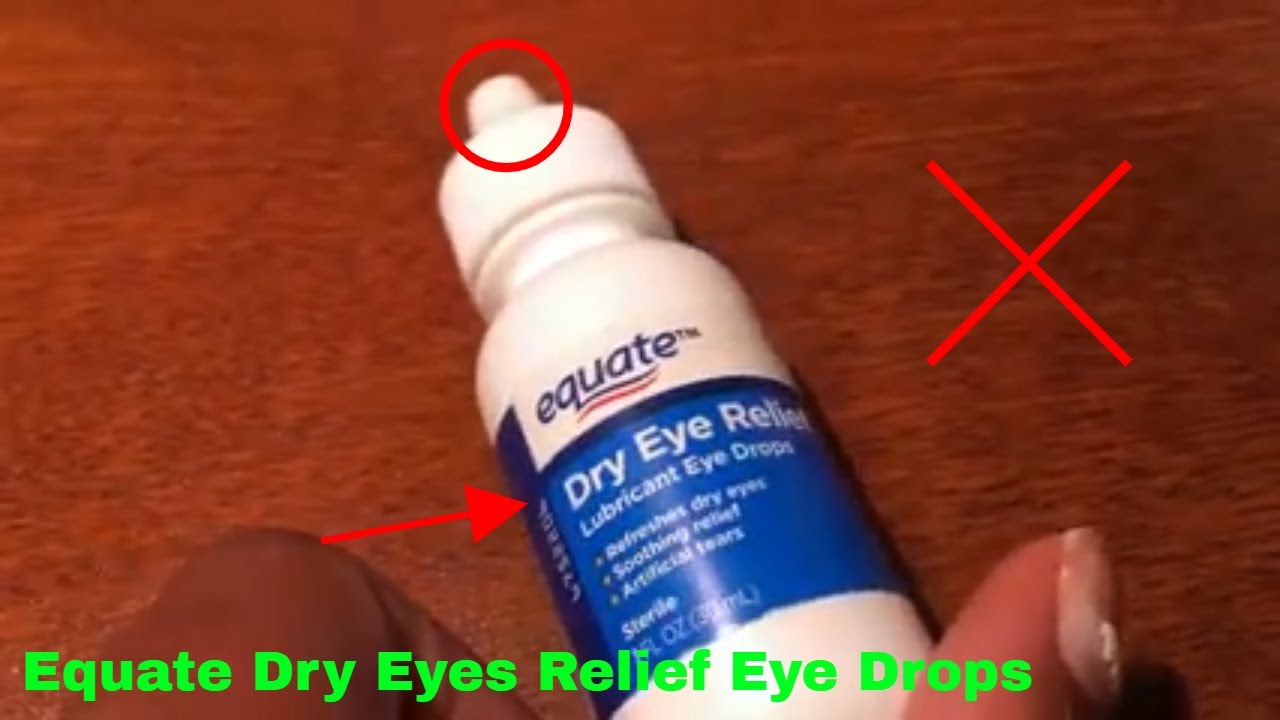
Artificial tears can be very helpful, but choosing the right type matters. Preservative-free drops are often the safer choice for frequent use, especially if someone needs them multiple times a day. They can rinse away allergens and restore moisture without the sting some preserved formulas cause. The timing matters too. Using drops before heading outdoors or after coming inside can help clear the surface and reduce symptom buildup.
A lot of people reach for redness-relief drops because they make the eyes look whiter quickly. That cosmetic effect can be tempting, but these products often do little for the underlying irritation and can contribute to rebound redness. For sensitive eyes, less dramatic treatment is often smarter treatment.
Small daily habits that protect the tear film
The eyes often do better when the rest of the environment gets a little kinder. Indoor humidity can make a real difference, especially during dry seasons or in homes with strong heating and cooling systems. A humidifier in a bedroom can help some people wake up with less irritation, though it needs to be cleaned regularly so it does not become a mold source.
Sleep also matters more than people expect. Eyes that are already inflamed tend to feel worse after a short or poor-quality night. The surface needs time to recover, and overnight dryness can be especially noticeable when the eyelids do not fully close or when a bedroom fan blows directly across the face. I have seen patients describe mornings as the worst part of the day, not because the allergy exposure is higher, but because the eyes have spent six to eight hours drying out.
Contact lens wear is another common pressure point. During peak allergy season, many people need to shorten wear time or switch temporarily to glasses. Contacts can trap allergens and worsen discomfort, especially on windy days or during long outdoor events. If a lens wearer notices increasing dryness, blurred vision that improves with blinking, or a feeling that the lenses are “sticking,” that is a strong sign the eyes need a break.
Screen time can aggravate things too. When people focus on phones or monitors, they blink less often and less completely. That reduces tear spread across the eye surface. During allergy season, this can turn mild irritation into an all-day problem. A deliberate blink break every so often sounds simple because it is simple, but the effect can be meaningful, especially for people who already deal with dry eyes.
Safe soothing strategies that usually make sense
There is no single routine that fits every person, but a few approaches tend to be useful across different causes of seasonal eye irritation. The key is to keep the eye surface calm, clean, and moist without adding new irritants.
A short cold compress can reduce swelling and itching when symptoms flare. Artificial tears can rinse out allergens and add moisture. A shower or face wash after coming in from outdoors can remove pollen from the lashes, brows, and skin around the eyes. Changing pillowcases more often during high pollen weeks can also help, since allergens can collect on fabric and transfer back to the face overnight.
If the eyes are especially itchy, it helps to think beyond the eye itself. Hair can hold pollen. Eyebrows and eyelids can collect dust. Hands can transfer irritants from doorknobs, pets, gardening tools, and car interiors straight into the eyes. Washing the face and hands after outdoor activity is a small step that often prevents a lot of next-day discomfort.
For people who suffer from dry eyes allergy season problems, moisture retention matters just as much as allergy control. That may mean using artificial tears before symptoms get intense, not after they are already severe. It may also mean avoiding overly aggressive cleansing products around the eyes. Foaming face washes, fragranced wipes, and harsh makeup removers can leave the lids drier and more eye doctor insurance reactive.
A few treatment choices that deserve caution
Not every product marketed for eye comfort is a good fit for sensitive eyes. This is where a little restraint saves trouble.
The first caution is overusing decongestant eye drops. They can make the eye look temporarily better, but they are not a long-term solution for recurring seasonal irritation. When used too often, they can leave the eyes more reactive and red. The second caution is mixing too many products. If someone is using allergy pills, medicated drops, makeup, cleansers, and contact lens solution all at once, it becomes hard to tell what is helping and what is contributing to the problem.
Some oral allergy medications also dry the eyes. That does not mean they should be avoided automatically, because they can be useful for nasal symptoms and overall eye doctor allergy control. It does mean that a person with sensitive eyes should pay attention to whether their treatment for one problem is making the eyes feel worse. This is especially relevant for people who already have dry eyes before allergy season even starts.
Prescription options can help when symptoms are persistent or severe, but they should be chosen with the right diagnosis in mind. Allergy drops and dry eye treatments are not interchangeable. An eye doctor evaluates the surface, the eyelids, the tear film, and the pattern of symptoms before recommending something specific. That distinction matters because treatment that helps one person may not fit another at all.
When to stop guessing and get evaluated
Most seasonal eye irritation is manageable, but some symptoms deserve a proper exam sooner rather than later. Severe pain, light sensitivity, vision changes, thick discharge, one-sided redness that does not improve, or a feeling that something is truly stuck in the eye all deserve prompt medical attention. The same is true if contact lens wear becomes painful or if the eye looks cloudy.
A visit with an eye doctor Riverside patients trust can help sort out whether the issue is allergies, dry eye disease, blepharitis, contact lens irritation, or something less common. That distinction is not just academic. It changes which drops, lid treatments, and daily habits will actually work. I have seen people spend a whole season treating the wrong problem because the symptoms looked similar at a glance.
There are also subtler reasons to seek care. If the eyes are repeatedly irritated every spring and the symptoms are getting worse each year, that may mean the underlying inflammation is not being controlled well enough. If the person finds themselves using over-the-counter drops constantly just to get through the day, that is another clue that the condition has moved beyond casual management.
What an eye exam can reveal
A good eye exam for seasonal irritation is not just a glance at the whites of the eyes. The doctor may look at the eyelid margins, check tear quality, assess for corneal staining, and ask detailed questions about timing. Does the itching start outdoors, after waking, or after screen use? Are symptoms worse around pets, trees, or in a dry office? Is one eye consistently worse than the other? Does the discomfort improve with blinking or worsen with contact lenses?
Those questions matter because they tell the story of the surface. If the eyes are red and watery only during high pollen days, allergies may be leading the pack. If the eyes burn more indoors, especially late in the day, dry eye may be the larger issue. If the lids are crusty or inflamed, lid margin disease may be contributing. Many people have more than one cause at once, which is why a narrow assumption can miss the real pattern.
For patients with recurring symptoms, an eye doctor may also talk through preventive care before the next season begins. Starting treatment only after symptoms peak often means playing catch-up for weeks. A better plan may involve using lubricating drops ahead of time, adjusting contact lens wear, or starting a prescribed medication before the worst pollen window arrives.
Practical routines that actually hold up
The best routine is the one a person can keep up during a busy week. A perfect plan that falls apart after three days is not much help. The routines that tend to work are plain and realistic. Rinse the face after outdoor exposure. Keep preservative-free artificial tears in the bag or desk drawer. Use a cold compress when itching spikes. Cut back on eye rubbing, even if it takes real effort. Give contact lenses a break when the eyes are already angry. Clean bedding and screens, and make a point of blinking fully during long stretches of work.
That last point sounds trivial, but it is not. Many people with seasonal eye irritation also have a mild dry eye component that becomes obvious during allergy season. The combination of inflammation plus reduced blinking can make the day feel longer than it is. A few intentional changes, repeated consistently, often calm the eyes enough to keep life moving normally.
For children, the challenge is different. They may rub their eyes constantly without being able to explain what they feel. Parents sometimes notice a child blinking, squinting, or saying the sun bothers them more than usual. Those signs matter. Children can get the same seasonal symptoms as adults, and they may need extra reminders not to rub.
Knowing the difference between relief and recovery
Temporary relief and real recovery are not always the same thing. A cool compress can make the eyes feel better for an hour. A lubricating drop can wash away irritants and restore comfort for the afternoon. But if the same flare returns every day, the goal should shift from rescue to prevention. That means looking at the environment, the bedtime routine, the work setup, the allergy burden, and whether a clinician should be involved.
Sensitive eyes rarely benefit from brute force. They do better with consistency, restraint, and a willingness to make small adjustments before symptoms become dramatic. For some people, that means changing one habit, like not sleeping with a fan pointed at the face. For others, it means finally getting the right diagnosis and using targeted treatment instead of guessing.
Seasonal eye irritation can feel routine right up until it stops being routine. The moment eyes start to burn, itch, water, and blur often reveals how much we depend on a stable tear film and a calm surface. With a few careful strategies, and the right help when symptoms keep returning, sensitive eyes can usually get through allergy season with far less misery than people expect.
Phone:
(951) 346-9857
Website:
opticoreyegroup.com/riverside-plaza.html
Opticore Optometry Group, PC - RIVERSIDE PLAZA, CA
3639 Riverside Plaza Dr, Ste 518,
Riverside,
CA
92506